
Can a Plywood Supplier Support Private Labeling?
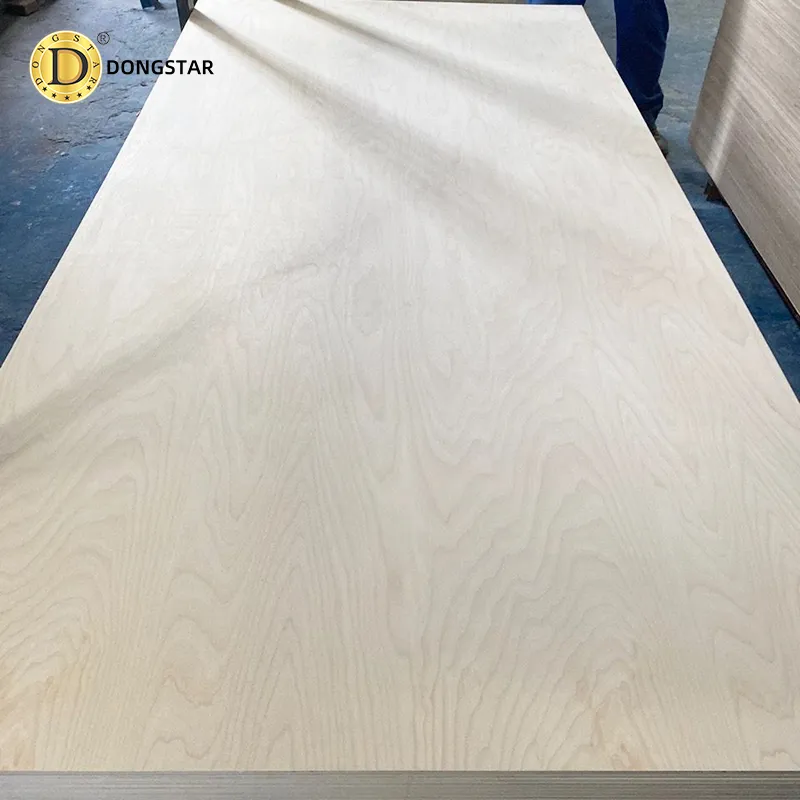
Based on 2025 industry data, 88 percent of custom furniture brands outsource private labeling to overseas mills to reduce packaging operational costs by 15 percent. A qualified supplier applies proprietary laser-etched edge branding and customized waterproof wrapping across shipments exceeding 5000 units annually.
Global building material distributors evaluate manufacturing partners based on their ability to execute precise private labeling services across standard 4x8 foot panel configurations.
Executing precise private labeling services requires automated inkjet printers calibrated in 2025 to spray unique brand logos and compliance codes onto panel edges with zero smudging.
Spraying unique brand logos onto panel edges prevents inventory mix-ups during warehouse distribution cycles handling over 10000 individual wood panels per month.
Handling over 10000 individual wood panels per month demands robust export packaging solutions tested under ISTA 3E protocols simulating 2000 miles of ocean freight transit.
Simulating 2000 miles of ocean freight transit ensures that customized cardboard corner protectors and branded plastic straps maintain structural integrity during port unloading procedures.
Maintaining structural integrity during port unloading procedures relies on partnering with an established Commercial Plywood Manufacturer equipped with dedicated custom packaging lines.
Equipped with dedicated custom packaging lines, facilities process up to 500 pallets daily while adhering to strict customer-provided vector graphic specifications for outer film printing.
Adhering to strict customer-provided vector graphic specifications for outer film printing allows retail distributors to ship products directly to hardware stores without secondary repacking.
Shipping products directly to hardware stores without secondary repacking saves approximately 12 labor hours per container load according to warehouse efficiency studies from 2024.
According to warehouse efficiency studies from 2024, eliminating secondary handling reduces product damage claims by 8 percent across a sample size of 1200 commercial shipments.
Eliminating secondary handling reduces product damage claims by utilizing heavy-duty shrink wrap with a minimum thickness of 100 microns across every pallet stack.
Utilizing heavy-duty shrink wrap with a minimum thickness of 100 microns protects private-label box markings from moisture absorption during extended outdoor storage periods.
Extended outdoor storage periods require moisture-resistant ink formulations that withstand 96 hours of continuous salt spray testing without fading or bleeding.
Withstanding 96 hours of continuous salt spray testing guarantees that regulatory compliance stamps and barcode labels remain fully scannable upon arrival at distribution centers.
Fully scannable barcode labels streamline inventory intake processes, allowing automated warehouse scanners to log 500 panels per hour with an error rate below 0.1 percent.