
The Rise of the Midday Escape: Quantifying the $15-Billion "Lunch-Break Economy"
The traditional 60-minute lunch hour is undergoing a radical structural transformation, evolving from a simple caloric intake window into a high-density, consumable pocket of "self-care." Urban professionals, particularly in first-tier and new first-tier cities, are increasingly viewing this midday gap as a rare period of autonomy, driving a surge in localized wellness and fitness services. From a market perspective, we are seeing a shift where "rest" is being priced and packaged as a premium commodity, with individual consumers like Lin Yihan willing to pay 100 yuan ($14.7) for a 60-minute massage—essentially valuing their midday peace at a rate that reflects high disposable income levels.
The scale of this "daydreamer" market is best understood through its transactional density. In a single Dalian massage shop, over 19,000 orders were placed for 60-minute relaxation sessions via Meituan in the past year, while 19 related service products moved another 45,000 units at price points ranging from 100 to 250 yuan. On retail platforms like JD.com, the hardware supporting this trend—napping pillows, office camp beds, and specialized chairs—has surpassed a sales volume of 1 million units. These numbers suggest a significant compound growth in the wellness sector, where the "ROI" for the consumer isn't financial, but a measurable boost in afternoon productivity and emotional stability.
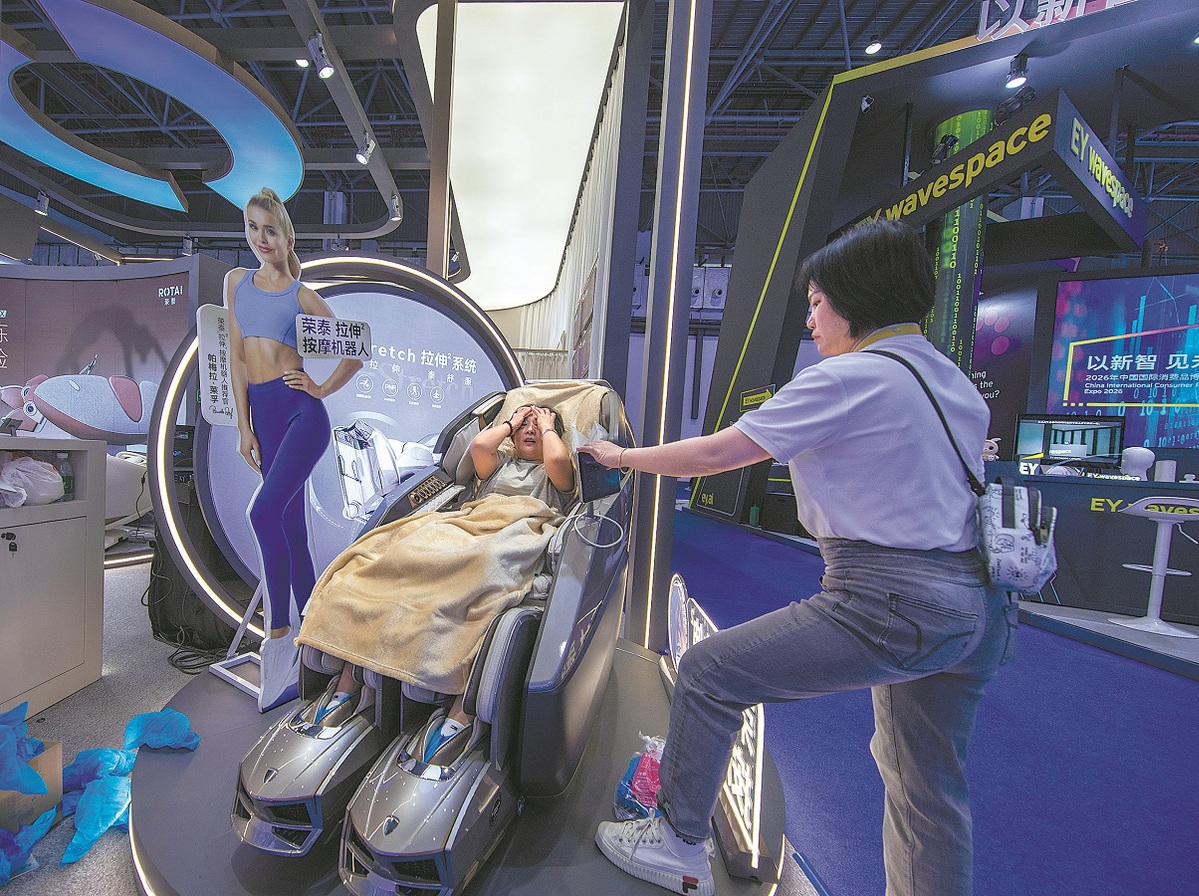
This trend is also hitting the fitness and hospitality industries with high impact. At downtown Dalian gyms, nearly 20% of the 400+ members—who pay annual fees of roughly 4,000 yuan—now prioritize 45-minute HIIT or yoga sessions over a traditional meal. Even the entertainment sector is pivoting; a Xi'an cinema sold out all 76 of its "Lie-flat plan" seats for a monthly subscription of just 29.9 yuan, demonstrating that the demand for a controlled environment (dim lighting, constant temperature, quietude) has a high conversion rate and strong renewal potential. According to People's Daily, the active management of sleep health is becoming a priority for the 150 million Chinese citizens requiring intervention for sleep disorders, turning what was once a passive biological need into a 20% year-on-year revenue growth driver for specialized therapy centers.
However, as the lunch-break economy expands into more technical territories—such as mild hyperbaric oxygen therapy costing 250 to 360 yuan per hour—the industry faces a widening "rest gap." While white-collar workers in high-end business districts can afford these 60-minute escapes to optimize their work efficiency, blue-collar workers often face shorter, unprotected breaks where such luxuries are financially out of reach. Furthermore, the rapid growth of shared-rest infrastructure raises questions about hygiene standards and liability frameworks. For the "lunch-break economy" to sustain its current growth trajectory, the focus must shift from mere accessibility to establishing rigorous regulatory specifications that ensure these 60-minute escapes are as safe as they are restorative.
News source:https://peoplesdaily.pdnews.cn/china/er/30051999990